Articles by Category
Articles by Issue
Recent Comments
- Stephen Brodsky on Harming Children: Uncovering and Overcoming Bias When Defending Sex Crimes Against Children
- Laura on Courtroom Attire: Ensuring Witness Attire Makes the Right Statement
- Members selection — Court-Martial Trial Practice Blog — February 22, 2014 on Why Do We Ask Jurors To Promise That They Will Do the Impossible?
- Video: Pryor Greed and Lawyers | Parents Rights Blog on Ethical Issues in Racial Profiling
- On the relationship between ideological and demographic diversity on Inaccuracy in Political Self-Perception: Young Adults Are Not as Conservative as They Believe
- Taylor Bishop on Tips for Preparing the Expert Witness
- Thanks for stopping by…. « The Jury Room on Book Review- Social Media as Evidence: Cases, Practice Pointers, and Techniques
- Thanks for stopping by…. « The Jury Room on Book Review: The Juror Factor: Race and Gender in America’s Civil Courts
Voir Dire & Jury Selection Archive
-
Juries, Joinder, and Justice
by Krystia Reed, M.A. and Brian H. Bornstein, Ph.D., MLSPosted on August 28, 2015 | 1 CommentHow should you act differently on joinder when in a civil or criminal trial? Here's research to aid you with two trial consultant reactions. -

Thank and Excuse: Five Steps Toward Improving Jury Selection
by Richard GabrielPosted on August 28, 2015 | 6 CommentsWhy peremptory strikes matter and how to use them to improve jury selection. -
Looking for Lying in All the Wrong Places
by Bill GrimesPosted on August 28, 2015 | 2 CommentsWant the latest update on the deception literature? Can we tell who is lying yet? -

Using The Other Side’s Strikes: Regulating The Information Flow To Steer Your Opponent In Voir Dire
by Roy Futterman, Ph.D.Posted on May 31, 2015 | 2 CommentsYou know jury selection is a strategic encounter but here's a way to increase your odds of success! -

Top Ten Most Accessed Articles in 2014
by Jury Expert Editorial StaffPosted on February 27, 2015 | No CommentsWhat did your friends and colleagues read most often in 2014 in The Jury Expert pages? Take a look and make sure you are keeping up! -

Who Is the Ideal Juror to Look for during Voir Dire?
by Jill Leibold, Ph.D.Posted on February 27, 2015 | No CommentsYou know jury selection is actually a process of de-selection. But what does that actually mean? Here's the answer. -

Anti-war Protestors and Civil Disobedience: A Tale of Two Juries
by Lynne Williams, Ph.D., J.D.Posted on November 26, 2014 | 4 CommentsHow do you choose a jury for a antiwar protestor trial versus a jury for a civil disobedience trial? An experienced trial consultant offers a peek into her brain as she chooses two very different juries. -

Demographic Roulette: What Was Once a Bad Idea Has Gotten Worse
by Douglas L. Keene, Ph.D. and Rita R. Handrich, Ph.D.Posted on August 20, 2014 | 9 CommentsAuthored by Doug Keene and Rita Handrich with a response from Paul Begala, this article takes a look at how the country has changed over the past 2 decades and our old definitions of Democrat or Republican and conservative or liberal are simply no longer useful. What does that mean for voir dire? What should it mean for voir dire? Two very good questions those. -

The Ubiquitous Practice of “Prehabilitation” Leads Prospective Jurors to Conceal Their Biases
by Mykol C. Hamilton, Ph.D. and Emily Lindon, B.S. and Madeline Pitt, B.S. and Emily K. Robbins, B.S.Posted on August 20, 2014 | 13 CommentsAuthored by Mykol C. Hamilton, Emily Lindon, Madeline Pitt, and Emily K. Robbins, with responses from Charli Morris and Diane Wiley, this article looks at how to not “prehabilitate” your jurors and offers ideas about alternate ways of asking the question rather than the tired, old “can you be fair and unbiased?”. -
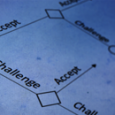
On The Application of Game Theory in Jury Selection
by David Caditz, Ph.D.Posted on August 20, 2014 | 2 CommentsAuthored by David M. Caditz with responses from Roy Futterman and Edward Schwartz. Suppose there was a more predictable, accurate and efficient way of exercising your peremptory strikes? Like using a computer model based on game theory? In this article, a physicist presents his thoughts on making those final decisions more logical and rational and based on the moves opposing counsel is likely to make.